Pre-Installation Survey
The pre-installation survey of route is recommended to identify the problem areas, fix them and define an installation plan prior to the start of installation.
To determine if any special tools/machineries & Work Permissions required for a particular site and revise preliminary splice locations to ensure installation of cable goes without any intervention.
Pre Installation arrangements:
For smooth operation of installation work, it is very important to make necessary arrangements of tools/ machineries, managing route & manpower etc.
Installation process Underground
1.DRT
2.Trenching,
3.blowing,
4.jointing, termination,
5.data recording
1. DRT/DIT
Duct Integration Test
Ensure that the trench does not have any sharp bend and the couplers are tightened to the maximum. Ensure the backfilling and the compaction of the trench are satisfactory prior to start of DIT. Pass the compressed air at 8Kg/Sq.cm and clean the duct from deposits like mud and small stones.
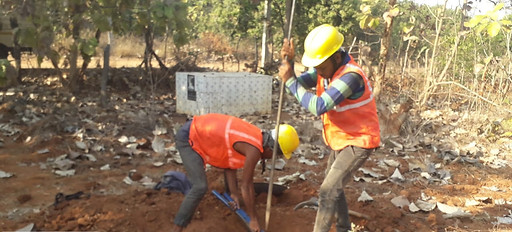
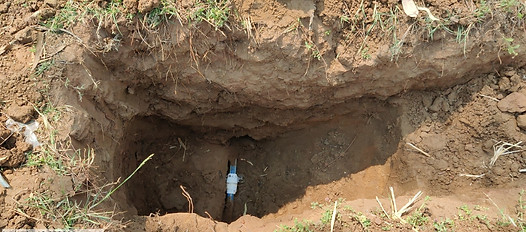
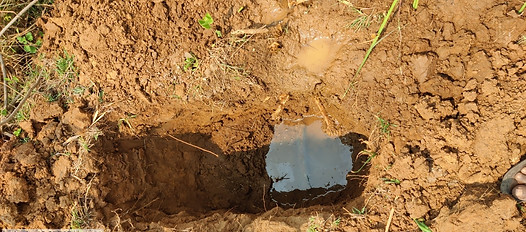
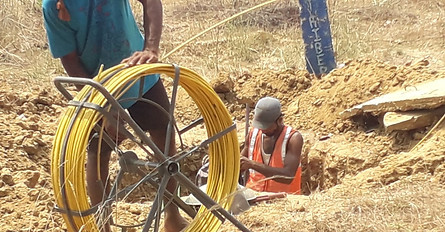
2. Trenching and Ducting
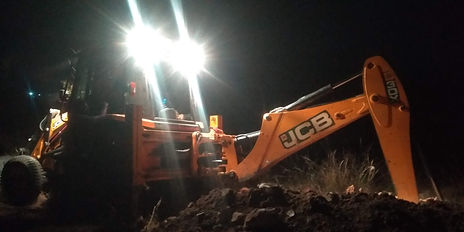
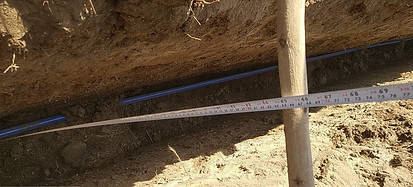
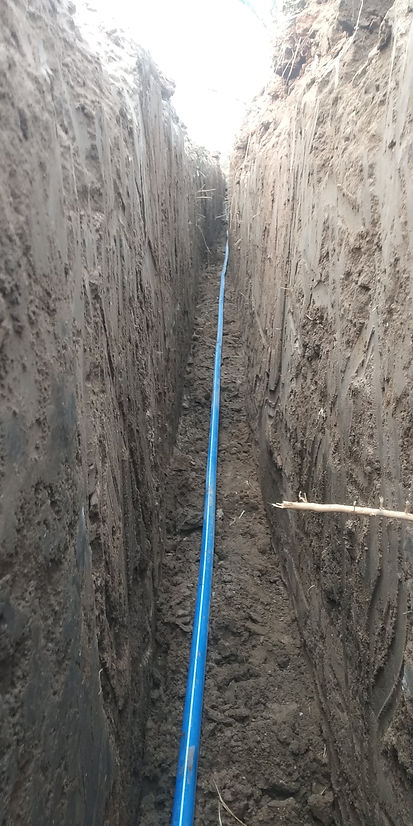
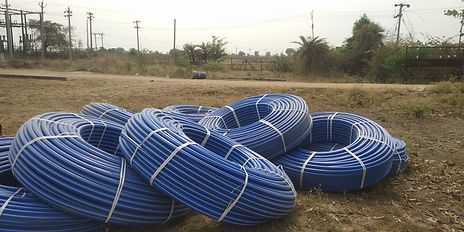
The fiber cable can also be trenched. This process is slower than plowing in; however, it allows a much more controlled cable installation. Trenches can be dug by hand or by machine.
3. Blowing Method
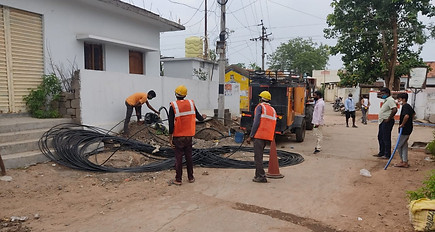
Cable blowing is an advance technique for cable installation in duct. This process is very fast comparative to traditional pulling and very effective for longer distance route.
Cable blowing is the process of blowing optical fiber cable through a duct while simultaneously pushing the cable into the duct. Compressed air is injected at the duct inlet and flows through the duct and along the cable at high speed.
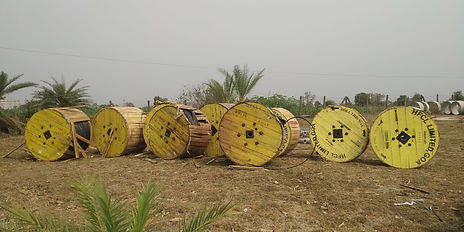
4. Jointing and Termination
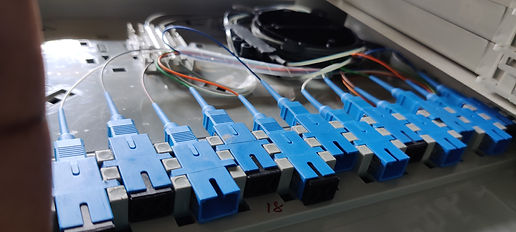
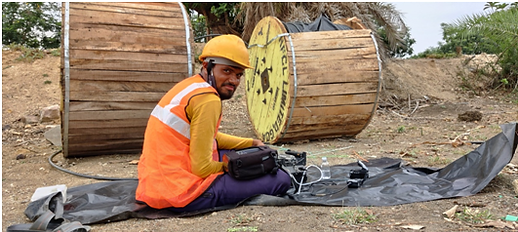
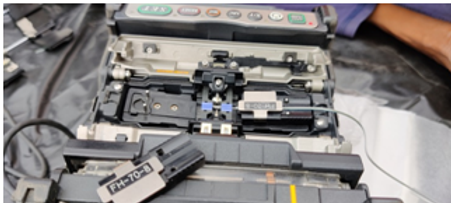
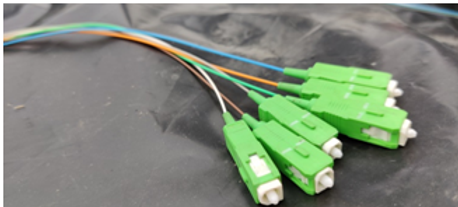
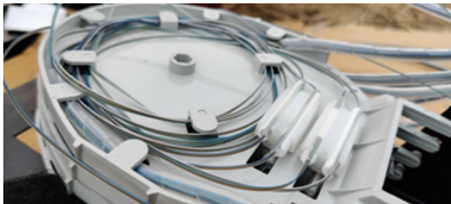
The optical fiber cables are joined by Fusion splicing process by following color code or sequence of buffer tubes and fibers in the cable and secure it in joint closure box at every joint location. Especially if the gel is used. All splicing techniques involve installing an enclosure that protects the splice. At both end of link, the fibers of the cable are terminated in connectors that hold the fiber end precisely and securely and fixed in FDMS (Fiber Distribution Management System) or ODF (Optical Distribution Frame)
5. Infra